
As I reviewed the latest market updates from Investing.com early this morning on December 8th, 2025, a few key trends clearly emerged that are shaping global investor sentiment. The financial landscape remains incredibly dynamic, driven largely by ongoing macroeconomic developments, central bank policy expectations, and persistent geopolitical tensions that continue to rattle supply chains and energy markets.
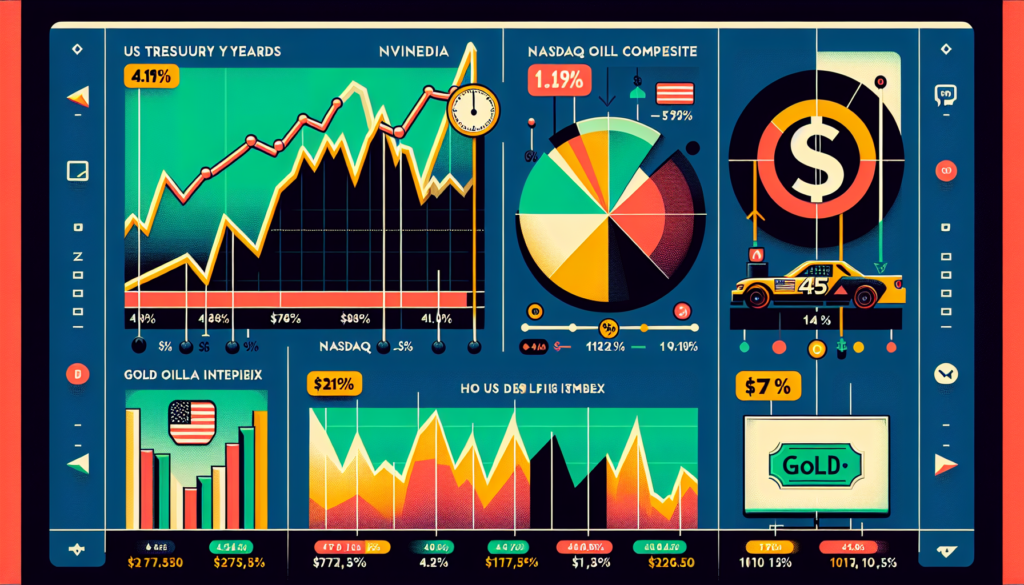
The first thing that caught my attention was the renewed pressure on U.S. Treasury yields. After weeks of speculation, the 10-year yield dropped below the 4.10% mark, signaling that investors might be pricing in a potential rate cut as early as the second quarter of 2026. This marks a clear shift in sentiment, as just a month ago markets were debating whether the Federal Reserve could maintain elevated rates well into late 2026. The softening of the labor market data this week — especially the lower-than-expected non-farm payrolls report — added weight to expectations that the Fed might pivot sooner than anticipated. The yield curve remains inverted, but the margin is narrowing, hinting at a gradual return to normalization if growth projections continue to deteriorate.
Equities responded positively to this bond market movement, especially in the tech-heavy Nasdaq Composite, which rose nearly 1.7% intraday, boosted by gains in semiconductor stocks and large-cap AI tech leaders. Nvidia, AMD, and Microsoft led the rally — a dynamic that continues to suggest that despite broader macroeconomic headwinds, investors are still willing to bet on innovation-driven sectors. However, one noticeable development was growing rotation into defensives such as consumer staples and utilities, possibly reflecting a hedging strategy against near-term economic uncertainty.
Commodities are also telling their own story. Crude oil prices remain under pressure, despite a weaker dollar. WTI fell below $72 per barrel, with Brent under $76, as concerns over lagging demand from China outweighed geopolitical risks in the Middle East. The recent OPEC+ decision to extend voluntary cuts into Q1 2026 failed to support prices, suggesting markets are more focused on the deteriorating consumption data out of China and weaker-than-expected industrial output from Europe. Meanwhile, gold continues its rally above $2,080 an ounce, supported by declining real yields and safe-haven demand. I interpret this as a clear signal that investors are becoming increasingly cautious, possibly preparing for a choppier path ahead.
In currency markets, the U.S. dollar index (DXY) has slipped below 103.50, reflecting an easing rate premium relative to its G10 peers. The euro and pound saw moderate gains, while the Japanese yen strengthened after the Bank of Japan hinted at adjusting its yield curve control policy in early 2026. The yen’s strength is something I’m watching closely — it could catalyze broader FX market volatility if the BoJ takes more decisive action, especially given Japan’s decades-long ultra-loose policy stance.
Overall, market sentiment feels cautiously optimistic but underpinned by growing uncertainties. While equities are enjoying some tailwinds from dovish central bank speculation, credit markets, commodities, and forex indicators are sending more nuanced or even conflicting signals. As we move deeper into December, I’ll be closely watching next week’s U.S. CPI and the final FOMC meeting of the year, which could further clarify policymakers’ direction and either reinforce or disrupt the current narrative of a 2026 pivot.