
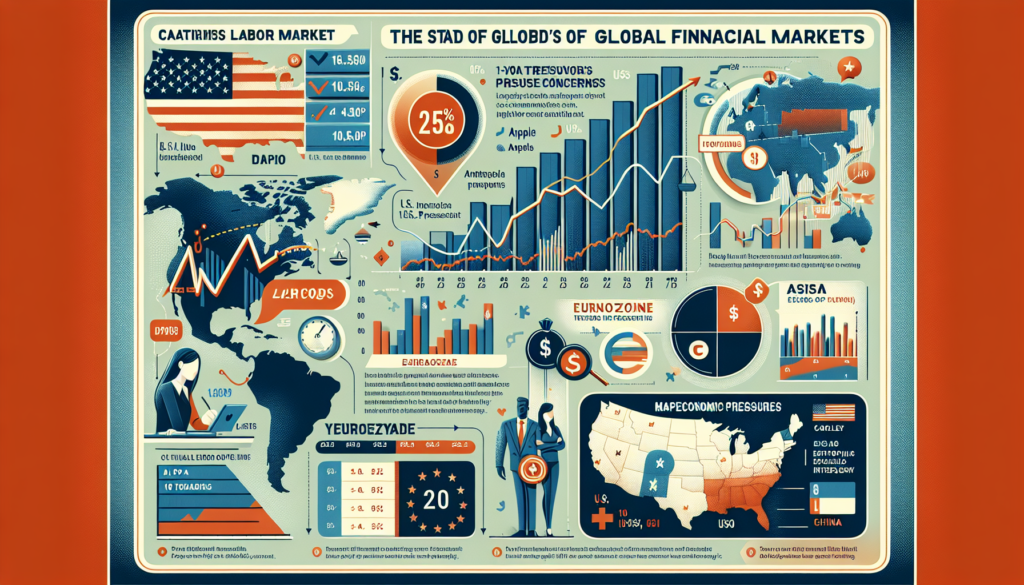
Based on today’s latest developments on Investing.com, we’re witnessing a complex yet intriguing interplay unfolding across global financial markets. As I analyzed the data and headlines this morning, I noticed that investor sentiment remains delicately balanced between cautious optimism and growing concerns over macroeconomic pressures, especially in the U.S. and China.
One of the most significant driving factors today is the persistent strength of the U.S. labor market, with the latest job data showing slightly stronger-than-expected non-farm payroll gains. While this signals resilience in the broader economy, it is equally fanning speculation that the Federal Reserve might take a more hawkish stance than previously anticipated. Despite earlier hopes for a rate cut in the first half of 2026, Fed officials have reiterated the need for more confirmation that inflation is consistently trending down toward the 2% target. The CME FedWatch Tool is now pricing in a lower probability of any rate cut before June, which is clearly influencing both bond and equity markets.
Yields on the 10-year Treasury note spiked to 4.25%, showing a notable upward move from last week’s relative calm. Equity markets responded in a mixed fashion—growth stocks, particularly in tech, faced some downward pressure as the higher yields reintroduce discount rate worries. Yet, the broader S&P 500 remains relatively supported due to strong earnings from key names like Apple and Alphabet. Apple surprised the market by beating profit expectations and issuing solid guidance for the next quarter, suggesting that consumer demand hasn’t deteriorated as much as feared.
Meanwhile, in Europe, the ECB left rates unchanged, and during her press conference, President Christine Lagarde acknowledged moderating inflation conditions. However, she also pointed to persistent wage pressures. European indices such as the DAX and Stoxx 600 are trading marginally lower today, in part due to global risk-off sentiment and weaker-than-expected German factory activity data released this morning. The Eurozone’s economic recovery seems to be stalling, and market participants are adjusting their positions accordingly.
In Asia, the situation in China remains under close watch. The Chinese government is reportedly preparing another round of stimulus targeted towards infrastructure and property sectors, reacting to sluggish PMI numbers and weaker consumer spending. The Hang Seng Index rebounded modestly today, led by tech and real estate shares, as Beijing’s policy support measures gave temporary relief to battered sectors. However, foreign investor confidence remains shaky, especially given ongoing tensions with the U.S. over trade and technology.
The dollar index (DXY) remains firm around the 104 level, buoyed by higher Treasury yields and safe-haven demand. Gold, traditionally a safeguard in times of macro uncertainty, saw slight gains, trading above $2,050/oz as buyers hedged against a delayed Fed pivot and potential geopolitical instability. Crude oil prices, on the other hand, remain choppy. WTI futures are struggling below $73 largely due to questions around demand sustainability in China and internal dynamics within OPEC+.
In summary, we’re entering a phase where risk assets will likely take cues from central bank communication and upcoming inflation prints. While there is no clear sign of panic, cautious repositioning is evident across asset classes.