
As of today, February 8, 2026, global financial markets are reacting strongly to a mix of economic indicators, central bank signals, and geopolitical developments. Based on the latest updates from Investing.com, it’s clear that we are entering a phase of heightened volatility that is both challenging and opportunistic, particularly for active market participants. In my personal analysis, I find the interplay between inflation trajectories, central bank policy decisions, and tech sector earnings especially pivotal in shaping the current market direction.
The U.S. equity markets opened the day with mixed sentiments. The S&P 500 is struggling to maintain its recent highs after a better-than-expected jobs report last week rekindled fears that the Federal Reserve may hold interest rates higher for longer. Fed officials in their latest statements have maintained a cautious tone, with some members like Minneapolis Fed President Neel Kashkari emphasizing that inflation, while cooling, remains sticky and not yet at a level that would justify immediate rate cuts. This narrative is weighing down high-growth sectors, particularly in technology and consumer discretionary, as future cash flows are being discounted at higher rates.
Interestingly, the Nasdaq Composite, while resilient, has shown signs of topping. Many investors had priced in aggressive rate cuts by mid-2026, but the current labor market strength — combined with elevated CPI expectations — is tempering those assumptions. Apple’s earnings results, although beating top-line forecasts, revealed soft guidance and potential headwinds in its China operations, which has created a drag not just for itself but also for the broader tech-heavy indices.
On the global front, European markets are reflecting a different dynamic. The DAX and FTSE 100 posted modest gains today after the ECB hinted that rate hikes are definitively off the table for 2026, with policymakers turning their attention toward potential stimulus measures later in the year. Eurozone inflation came in at 2.3%, confirming the downward trend but also highlighting weak demand and stagnant wage growth across core economies like Germany and France. This divergence between U.S. hawkishness and European dovishness is clearly manifesting in FX markets, where the euro is underperforming against the dollar.
Commodities are responding to a variety of signals. Crude oil prices have ticked higher following renewed tensions in the Red Sea and a surprise drawdown in U.S. crude inventories reported by the EIA. Brent Crude is hovering around the $86 mark, which is significant given the OPEC+ reaffirmation of production cuts until at least Q3 2026. Meanwhile, gold prices remain stuck in a tight range, unable to break out despite geopolitical risk because of the strong dollar and subdued demand from Asia.
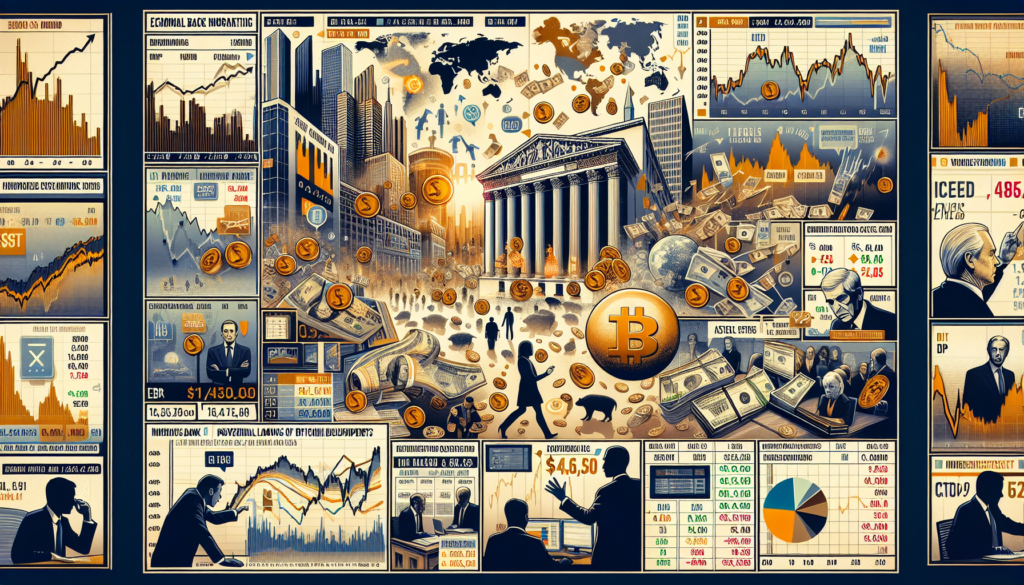
One of the more exciting developments today is in the cryptocurrency market, where Bitcoin surged past $49,000 — its highest since mid-2022. The move appears to be driven by institutional flows into recently approved spot Bitcoin ETFs, coupled with anticipation around the upcoming halving event. This breakout is noteworthy as it comes despite risk-off moves in equities, suggesting a decoupling and increased investor confidence in digital assets as alternative stores of value.
In summary, the market today reflects a complex matrix of diverging monetary policies, uneven sectoral performance, and early signals of profit-taking in overbought asset classes. My interpretation is that caution is warranted in the short term, especially as the Fed holds a firm grip on its policy options pending more consistent data. That being said, the structural momentum in tech innovation and digital assets continues to provide pockets of long-term opportunity amidst the macro uncertainties.