
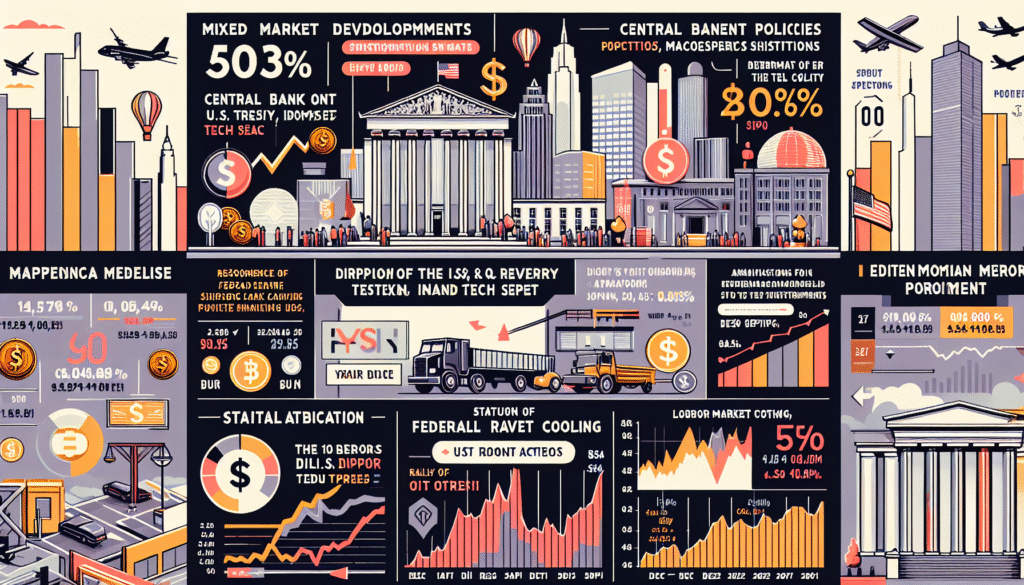
As I closely examined the latest market developments from Investing.com on December 3rd, 2025, at 11:30 PM, it’s evident that a mix of macroeconomic shifts, sector-specific movements, and renewed speculation on central bank policies are actively shaping current market sentiment. One of the most dominant themes today is the heightened anticipation surrounding upcoming Federal Reserve actions amidst softening inflation data and a cooling labor market. This is reverberating across equities, bonds, and commodities alike.
The U.S. equity markets closed on a mixed note today, with the S&P 500 edging marginally higher, supported by gains in technology and consumer discretionary sectors. The Nasdaq Composite continued its upward momentum, driven by megacap tech names that are now increasingly being priced as defensive plays, not just growth assets. Apple and Microsoft posted modest gains, aligning with expectations of a subdued interest rate environment heading into Q1 2026.
However, what’s more telling is the Treasury market’s reaction. The yield on the 10-year U.S. Treasury note has dropped further, now sitting around 3.85%, indicating growing investor confidence that the Fed may begin rate cuts as early as March 2026. This downward movement in yields is being fueled in part by the latest JOLTS report—Job Openings fell below 8.3 million in November, the lowest level since March 2021. That adds to the broader narrative of labor demand slowing, which the Fed has previously suggested would be a key factor in determining its policy trajectory.
Commodities, on the other hand, are sending mixed signals. The price of crude oil, particularly WTI, slid by nearly 2.1% today, breaking below the $72 per barrel threshold. This comes in the wake of OPEC+ failing to inspire confidence in its recent decision to extend voluntary cuts into Q1 2026. Market participants appear skeptical of compliance and the real demand picture, especially with signs that global industrial activity in Europe and China remains pressured. The ISM Manufacturing PMI in the U.S., although showing mild improvement, is still below the threshold of expansive activity. Energy traders are now trying to recalibrate expectations of demand recovery against a complex geopolitical and macro landscape.
In the forex market, the U.S. Dollar Index (DXY) weakened further, falling to 103.7, its lowest level in nearly four months. This follows dovish statements from several Fed officials today, reinforcing the growing market consensus that the central bank’s fight against inflation is largely nearing its endgame. Additionally, the Japanese yen posted gains, strengthened by speculation that the Bank of Japan may shift away from yield curve control policies sooner than previously estimated, in response to persistent inflationary pressures domestically.
In the crypto space, Bitcoin rallied above $44,000 today, touching levels not seen since early 2022. The resurgence can largely be attributed to not only speculative flows anticipating a Fed pivot but also growing institutional interest in spot Bitcoin ETFs, especially as regulatory clarity improves. Ethereum followed suit, climbing above $2,300. What’s noteworthy is the reduction in volatility alongside this rise — a potential sign that the asset class is maturing in the eyes of professional investors.
Overall, today’s market movement paints a coherent macro picture: investors are preparing for a more accommodative monetary environment in 2026. Asset rotation favors longer-duration investments and risk-on strategies, at least in the short term. However, with non-farm payrolls data just a few days away and final guidance from central banks pending before year-end, volatility may briefly return.